About me
It all began with my own experiences with my puppy. After an attack, my dog became reactive, which taught me a lot about dog psychology and the importance of boundaries and structure. Our progress inspired me to help other people and their dogs through Peachy Paws Canine Education. I pride myself on dedication to fostering strong relationships between humans and their canine companions. My approach is rooted in proactive training methods and a calm mindset, ensuring that everything we do reflects our commitment to excellence and well-rounded dogs.
With over four years of personal & professional experience in canine behaviour modification & dog training, I also continue to expand my knowledge by attending & working dogs in training workshops held by leaders in our field.

My approach
At Peachy Paws Canine Education, I use proactive balanced training methods to foster well-rounded dogs and strong human-canine relationships. I focus on building a calm mindset rather than just obedience, creating a long lasting and effective approach for both dogs and their owners. I love working with owners who are eager to build a strong bond with their dogs and are committed to showing up for them.

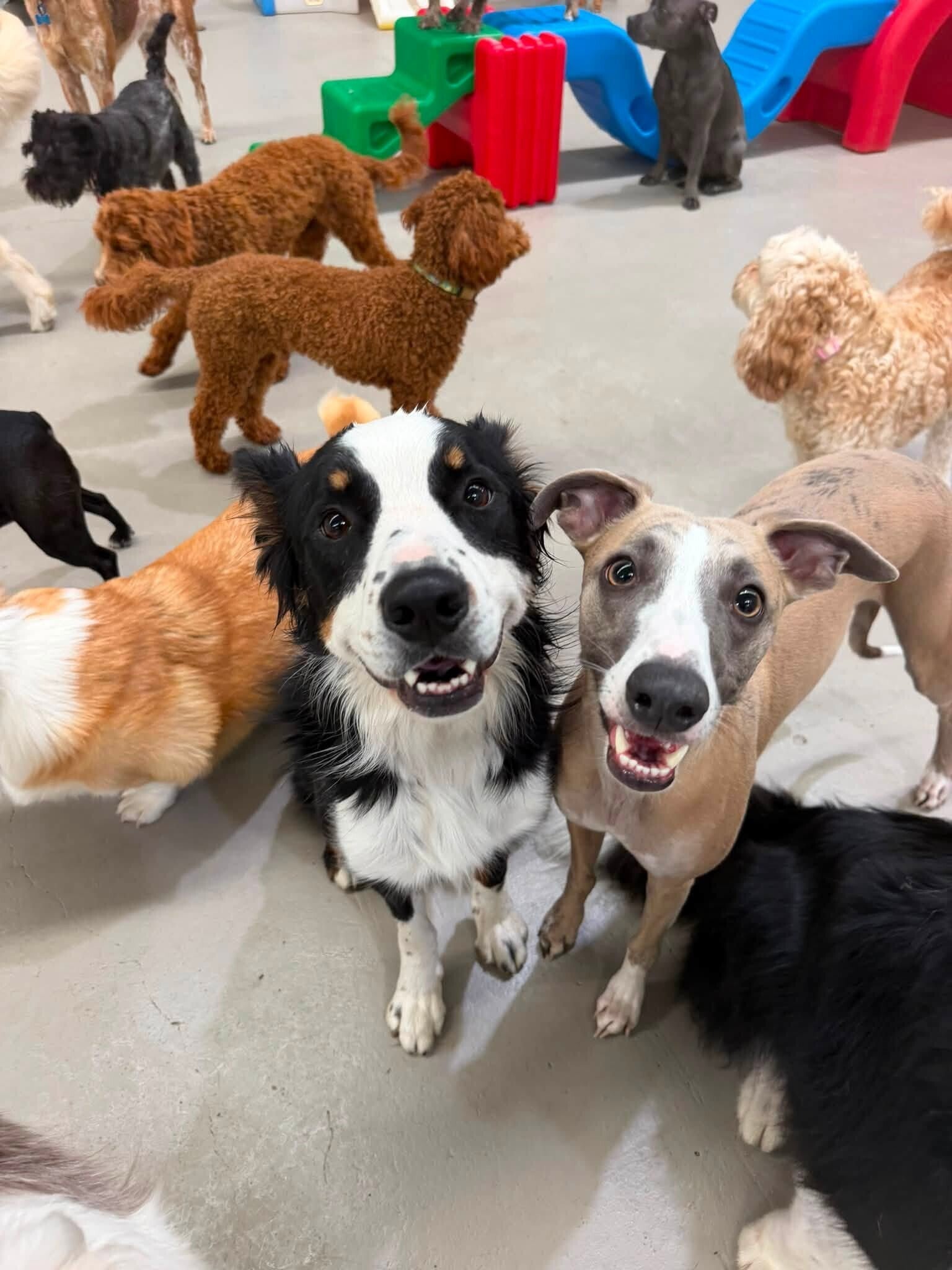
Am I the trainer for you?
At Peachy Paws, training is about so much more than teaching your dog to sit, stay or walk nicely on a lead.
My approach focuses on the whole dog — their emotional state, confidence, fulfilment, arousal levels, communication and relationship with their owner. Because good behaviour isn’t just about what your dog knows; it’s about whether they can actually access those skills when the world around them becomes exciting, overwhelming or challenging.
I believe a calm mind comes before obedience.
A dog who is highly aroused, frustrated, anxious or overexcited isn’t always in the best state of mind to listen, make good decisions or regulate their behaviour. That’s why much of my training focuses on helping dogs learn how to move between different levels of arousal, settle after excitement, disengage from distractions and look to their handler for guidance.
Training Starts at Home
The behaviour you see outside the home often begins with the habits and expectations created inside it.
Everyday things matter — how your dog moves through doorways, responds to boundaries, handles downtime, copes when nothing exciting is happening, waits for access to things they want and communicates with you.
This is why I’m a big advocate for structure, crate training, place training, thresholds, structured walks, appropriate play and teaching dogs that calmness is a skill too.
Structure doesn’t mean removing freedom. It means giving your dog the skills to handle freedom successfully.
Fulfilment Before Obedience
Dogs need more than commands.
They need opportunities to move, sniff, play, explore, rest, engage their natural drives and feel successful in their environment. A fulfilled dog is often in a much better position to learn and regulate themselves than a dog whose physical and mental needs aren’t being met.
Training should therefore complement your dog’s life — not become their entire life.
My goal isn’t to create a robotic dog. It’s to develop a dog who can experience the world, make better choices and confidently switch between activity and calmness.
Communication Your Dog Understands
Dogs communicate differently to us, so I believe good training requires us to become better communicators too.
I use a combination of verbal communication, food and rewards, leash guidance, spatial pressure, play, movement and clear boundaries. Different dogs respond to different forms of communication, and training should reflect the individual dog in front of us rather than forcing every dog through the same formula.
I also place a huge emphasis on relationship.
I want your dog to see you as someone worth engaging with — someone who provides clarity, fulfilment, guidance, play, safety and opportunity.
Confidence Over Compliance
Sometimes the goal isn’t getting the perfect sit.
Sometimes the win is a dog noticing something they previously reacted to and choosing to disengage. It’s a nervous dog exploring something new. It’s an excitable dog learning to come back down after play. It’s a dog who previously couldn’t switch off finally putting their head down and resting.
Those moments matter.
Training should help dogs become calmer, more confident and more capable of navigating real life, not simply better at performing commands.
I Won’t Do All the Work for You — and That’s Important
I can teach your dog skills. I can help change patterns. I can show you how to communicate more clearly and give you the tools to continue progressing.
But ultimately, you live with your dog — I don’t.
The biggest changes happen when owners are willing to look beyond the training session and make small, consistent changes to everyday life.
Peachy Paws is best suited to owners who want to understand the why behind their dog’s behaviour, are open to learning themselves and are prepared to be an active part of the process.
You don’t need to be perfect.
You just need to be willing to learn alongside your dog.
Because my goal isn’t for your dog to only behave for their trainer.
My goal is to help you build a dog you understand, a relationship you enjoy and skills that carry over into everyday life.
Create Your Own Website With Webador